Why Dating Apps Burn Out Professional Men (And What Works Instead)
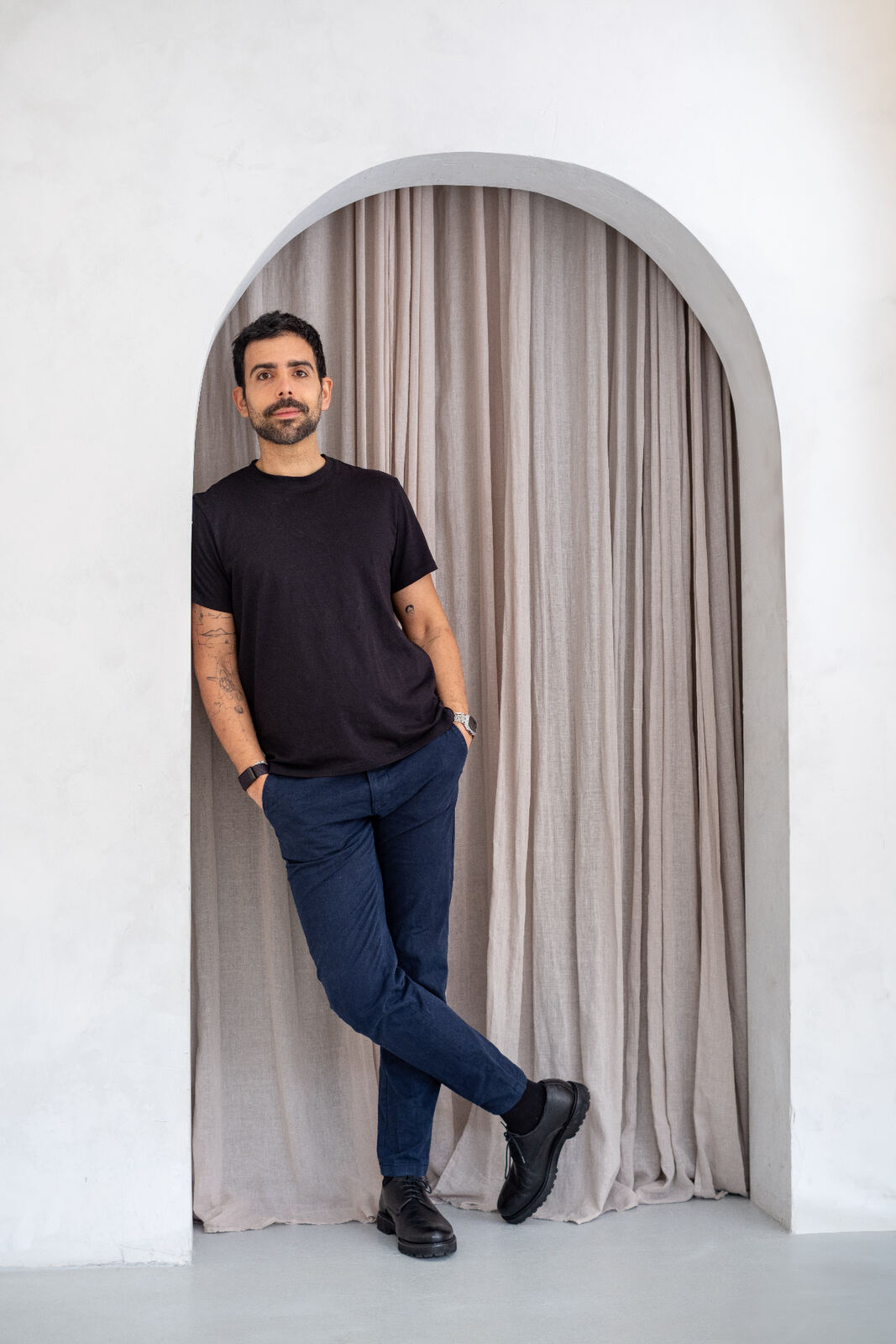
By Giuseppe, online dating coach · · 8 min read
Almost every man I coach arrives with the same quiet admission: the apps are not working, and he feels vaguely embarrassed about how much time he has spent on them. He is not lazy about it. He has good photos, a decent bio, a paid tier, and a folder of conversations that died at message four.
The usual explanation — that he is doing it wrong — is mostly false. The apps are not broken for him personally. They are structured in a way that reliably exhausts exactly this type of man. Here is why dating apps don't work well for busy professionals, and what to do instead.
The apps are not designed to get you off them
A dating app is a business with a retention target. Your success is its churn. That does not require any conspiracy to be true — it simply means the product is optimised for engagement, and engagement is the swiping, not the relationship.
The consequence is a system that gives you a slot machine's reward schedule: unpredictable, occasionally excellent, mostly nothing. That schedule is famously good at producing compulsive use and famously bad at producing satisfaction. You are not weak-willed for checking at 11pm. You are responding exactly as designed.
Apps select for photogenic, not for what you offer
The first filter is a photograph viewed for roughly a second. That is a fair test of a small number of qualities and a terrible test of most of the things that make a professional man in his thirties or forties a good partner: how he handles pressure, how he listens, how he is on a Sunday, what he is like to build something with.
Men who do well in person and badly on apps are usually not less attractive. They are less legible in a one-second format. Everything about them that works needs about twenty minutes of real presence to become visible, and the app never grants it.
The hidden cost is your attention, not your evening
The reason app burnout hits ambitious men hardest is that the cost is not the hours — it is the fragmentation. Twelve micro-conversations running in parallel, each requiring you to be mildly charming with no information, is genuinely draining cognitive work with almost no payoff.
Then there is the emotional accounting. Ghosting, matches that never message, dates cancelled at short notice. Individually, all trivial. Cumulatively, they train a background belief that this whole area of life is unrewarding — and men carry that belief into the situations where it does real damage, like the first ten minutes of a date with someone they actually like.
If you keep using apps, use them like a professional
Do not delete them out of frustration and reinstall them out of loneliness. Put them on a rule instead. Fifteen minutes, twice a week, at a fixed time, not in bed. Everything outside that window is habit, not strategy.
Fix the profile once and stop tinkering. Six photos: one clear face shot with eye contact and a real smile, one full body, one doing something you genuinely do, one social, and nothing with sunglasses, group ambiguity or a fish. Write a bio with two specifics and one invitation — specificity is what gives someone something to reply to.
Then move fast. Three or four messages, then propose a drink or a coffee at a specific place and time within the next week. Long text rapport is a trap: it builds an imagined person that the real meeting has to compete with. If someone will not meet within two weeks, let it go without resentment.
What works better than apps for men like you
Reduce apps to one channel out of three rather than the only one. The second channel is recurring, in-person activity where the same people appear weekly — a club, a class, a team, a volunteering slot. The third is your existing network: telling four or five friends clearly and once that you are looking, which most men never do because it feels like an admission of failure. It is not; it is the highest-yield thing on this list.
The reason this works is that in-person contexts reverse the app's filter. People meet the version of you that takes twenty minutes to appear, and they meet it repeatedly, which is how attraction actually builds for adults with complicated lives.
If you are already burnt out
Take four weeks off the apps entirely. Not as a sulk — as a reset. Use the time to add one recurring social commitment to your week and tell a handful of friends you are looking. Then decide whether to go back at all.
Almost every man I have worked through this with reports the same thing after a month: not a flood of dates, but the return of a normal baseline mood about dating. That baseline is what makes everything else possible.
Frequently asked questions
- Why don't dating apps work for me?
- Usually because the format filters on a one-second photo impression rather than on the qualities that make you a good partner, and because the product is designed to keep you engaged rather than to get you into a relationship. For most professional men the answer is not a better profile but fewer app hours and more in-person channels.
- How much time should I spend on dating apps?
- Around fifteen minutes, twice a week, at a set time and not last thing at night. Beyond that you are typically browsing out of habit, which is where the burnout comes from.
- Should I delete dating apps completely?
- Not necessarily. If you are burnt out, take a four-week break and use it to add one recurring in-person activity to your week. After that, treat apps as one channel of three rather than your only route to meeting people.
- How quickly should I ask someone out from an app?
- After three or four messages, propose something specific within the next week. Long text conversations build an imaginary version of each other that the real meeting has to compete with, and they are the main reason matches fade.
- Is dating app burnout a real thing?
- Yes. The combination of an unpredictable reward schedule, repeated small rejections and constant low-grade micro-conversation is genuinely fatiguing. It tends to hit hardest for men who already spend their working day on high-volume decisions and messages.
Continue reading
- How Much Does a Dating Coach Cost? UK Prices in 2026
Rates run from £50 to £500 an hour and almost nobody publishes them. Here is what dating coaching actually costs in the UK, tier by tier, and what you should get for it.
- Dating Coach vs Relationship Coach vs Therapist: Which Do You Need?
Three professions, one confused market. A straight comparison of what a dating coach, a relationship coach and a therapist do — and a single question that tells you which you need.
- Design Your Dating Life: Five Free Worksheets (PDF Pack)
Five one-page worksheets that treat your dating life as a design problem instead of a lottery. Free printable PDF — no email, no sign-up.
Browse the full Journal or read about online dating coaching.